- April 28, 2026
- TheHighlineDispensary
- No Comments
Cannabis Topicals: Targeted Relief Without the High
Topicals are the most overlooked product on a dispensary shelf — and probably the most useful for the largest number of people. They deliver targeted cannabis benefits to a specific area of skin without producing any high at all.
If you'd told most people ten years ago that you could put weed on your skin and not get high, they'd have laughed. But that's exactly what cannabis topicals do — and they do it well enough that they've become one of the fastest-growing categories in legal cannabis.
What Cannabis Topicals Actually Are
A cannabis topical is a product applied to the skin that contains cannabinoids (typically THC, CBD, or both) plus a delivery medium — usually some combination of carrier oils, butters, waxes, and essential oils. Common formats:
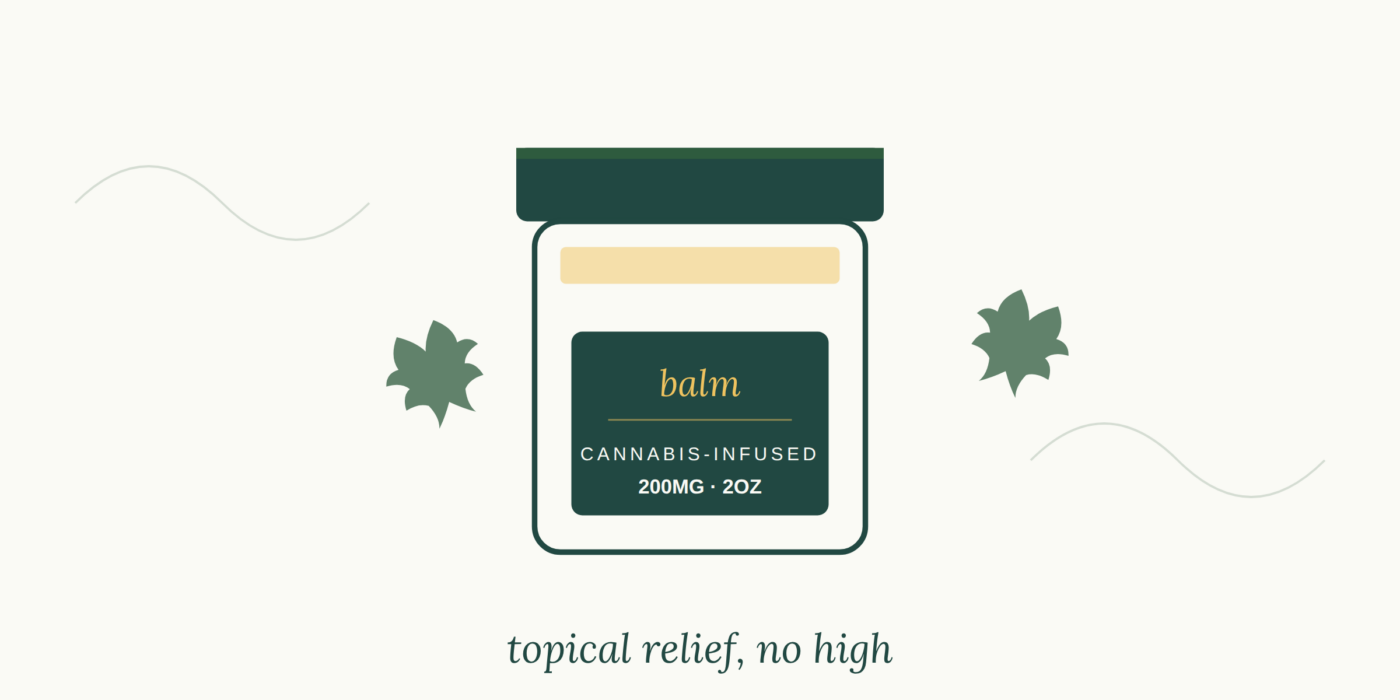
- Balms and salves — thicker, oil-and-wax-based. Slow to apply, intense localized effect. Best for joints, hands, feet.
- Lotions and creams — lighter, water-based. Quick to absorb. Better for larger areas like backs and shoulders.
- Roll-ons — convenient applicators with rollerball tips. Great for travel and mid-day touch-ups.
- Body oils — spreadable, often paired with massage applications.
- Bath products — bath bombs, soaks, salts. Whole-body relaxation.
- Transdermal patches — a separate category covered in our cannabis patches guide.
For your live menu, see our topicals shop.
How Topicals Work (and Don't Work)
Your skin has its own endocannabinoid system. CB1 and CB2 receptors are present throughout your skin's various layers, particularly in nerve endings, immune cells, and inflammation pathways. When you apply a cannabis topical, cannabinoids interact with these local receptors directly.
- Topical absorbs through the upper skin layers
- Cannabinoids reach local CB1 and CB2 receptors
- These receptors modulate inflammation, pain signaling, and immune response
- Effects stay localized — cannabinoids don't reach the bloodstream
This is why topicals don't get you high. The cannabinoids never reach your brain. For more on receptors, see our endocannabinoid system guide.
Topical vs. Transdermal — Big Difference
Topical products work on the skin and stay there. Transdermal patches are designed to deliver cannabinoids through the skin and into the bloodstream — they will produce systemic effects and can show up on a drug test. The two are sometimes confused but they're functionally different products.
What Topicals Are Best For
Localized Discomfort
The most common use case. Sore knees, achy hands, tense shoulders, post-workout muscles. Apply directly where it hurts; effects build over 15-30 minutes.
Skin Conditions
Many people use cannabis topicals for everyday skin issues — dry patches, mild irritation, itchiness. CBD's anti-inflammatory properties translate well to topical applications.
Post-Exercise Recovery
A muscle balm with menthol, capsaicin, or arnica plus cannabinoids is a popular post-workout combination.
Massage
Cannabis-infused body oils make excellent massage media. The combination of physical massage and cannabinoid local action is genuinely synergistic.
Bath Soaks
Cannabis bath products tend toward CBD-dominant formulations. The whole-body, skin-mediated relaxation is qualitatively different from the targeted effects of a balm.
Reading a Topical Label
| Label Item | What to Look For |
|---|---|
| Total cannabinoid content | Often expressed in mg per container (e.g., 200mg total CBD) |
| Cannabinoid ratio | THC:CBD ratio if multi-cannabinoid product |
| Volume / weight | Helps you calculate concentration (mg per gram or per ounce) |
| Other active ingredients | Menthol, capsaicin, arnica, essential oils |
| Lab test results | Same purity, potency, and contaminant testing as other cannabis products |
For a complete walkthrough, see our label-reading guide.
How to Use Topicals Effectively
Application essentials
- Clean, dry skin produces best results
- Apply more than you might think — cannabinoids are dose-dependent
- Massage in fully; let it absorb completely before covering with clothing
- Allow 15-30 minutes for noticeable effect; up to 2 hours for peak
- Reapply as needed every 2-4 hours
- Don't apply to broken skin or open wounds without consulting a doctor
- Wash hands after application unless you want to use them on your hands
Cannabinoid Profiles for Topicals
CBD-Dominant or CBD-Only
The most common topical type. CBD's anti-inflammatory profile lends itself well to topical use. Especially popular for daily use products.
THC-Dominant
Less common but useful. THC engages CB1 receptors in skin. Many users report THC topicals work better than CBD-only for sharp or acute discomfort.
1:1 Balanced THC:CBD
Often considered the most effective ratio for topical use. The two cannabinoids work on overlapping but distinct pathways. None of this produces a high.
Common Add-Ins and What They Do
- Menthol — produces cooling sensation, gentle pain distraction
- Capsaicin — produces warming sensation; can deplete pain-signaling chemicals over repeated use
- Arnica — traditional botanical for bruising and soreness
- Essential oils — eucalyptus, lavender, peppermint. Aromatherapy plus mild local effects
- Magnesium — relaxant for muscle tension when included topically
- Shea butter, cocoa butter, beeswax — carrier ingredients with moisturizing benefits
Topicals for Specific Goals
Joint Discomfort
Look for high-cannabinoid balms (1mg/g or higher) with menthol or capsaicin. Apply 2-4 times daily.
Muscle Soreness
Lotions or roll-ons with arnica plus 1:1 cannabinoid ratio. Easier to spread across larger areas than balms.
Hand and Foot Care
Concentrated balms work well for hands and feet because of thicker skin. Apply at night, sleep in cotton gloves or socks for amplified absorption.
Daily Skin Wellness
CBD-dominant lotions and creams. Use as you'd use any moisturizer.
Who Topicals Are Especially Good For
- People who want cannabis benefits without any psychoactive effect
- Drug-tested workers (with non-transdermal CBD-only products)
- Seniors managing joint discomfort — see our senior's guide
- Athletes and active people for recovery
- People hesitant to try internal cannabis but curious about the plant's benefits
Storing Topicals
Most topicals are shelf-stable for 1-2 years. Store in a cool, dry place, out of direct sunlight, tightly closed, out of reach of children and pets. For complete storage guidance, see our how to store cannabis post.
Cost Considerations
Most NY topicals run $30-80 per container. The cost reflects cannabinoid content, cosmetic ingredients, and small batch production. Cannabis topicals compete with over-the-counter pain creams, arnica gel, and CBD-only products from non-cannabis stores. NY-licensed cannabis topicals offer rigorous quality testing most non-cannabis competitors can't match.
If You're Trying Your First Topical
Pick a 1:1 THC:CBD balm with menthol, around 200mg total cannabinoid content. Apply a coin-sized amount to a sore spot you know well. Massage in. Give it 30 minutes. Compare to your usual pain relief experience.
What to look for at The Highline
A snapshot of the kinds of products our team can walk you through. Tap any category for what's in stock right now.
Local? We deliver to Yonkers, White Plains, Scarsdale & Greenburgh, and New Rochelle. Or come visit us at 45 Main Street, Hastings-on-Hudson. Browse our live menu for what's in stock today.
Common Questions
Do cannabis topicals get you high?
No. Standard cannabis topicals (balms, lotions, salves) don't penetrate deep enough into the skin to enter the bloodstream. They interact with cannabinoid receptors in the skin's local area only, which is why they produce targeted effects without psychoactive impact. Transdermal patches are the exception — they're designed to deliver cannabinoids systemically.
Will a topical show up on a drug test?
Standard topicals (non-transdermal) shouldn't cause a positive drug test because they don't deliver THC into the bloodstream. Transdermal patches can deliver THC systemically and could potentially cause a positive test. If drug testing is a concern, stick to non-transdermal CBD-only topicals and verify with the COA.
How fast do cannabis topicals work?
Most users feel topical effects within 15-30 minutes of application, with peak effects at 1-2 hours and total duration of 2-4 hours. Effects are localized to the area of application — you'll feel it where you put it, not throughout your body.
What's the difference between THC and CBD topicals?
Both can be effective for inflammation and discomfort. CBD topicals are more common because CBD's anti-inflammatory effects are well-documented. THC topicals add THC's analgesic properties through CB1 receptors in the skin. Balanced THC:CBD topicals (1:1 or similar) combine both. None of them produce a high when used as topicals.
Can I use cannabis topicals every day?
Yes. Topicals don't build tolerance the way internal cannabis does, since they work locally rather than through systemic effects. Daily use is common and well-tolerated. If you have sensitive skin, patch-test new products before larger applications.
Keep Reading
Ready when you are.
Three ways to start — whichever fits your day.
Or join the VIP list for new drops and member-only deals →